Wall Street Wobbles as Recession Fears Loom
- Market News

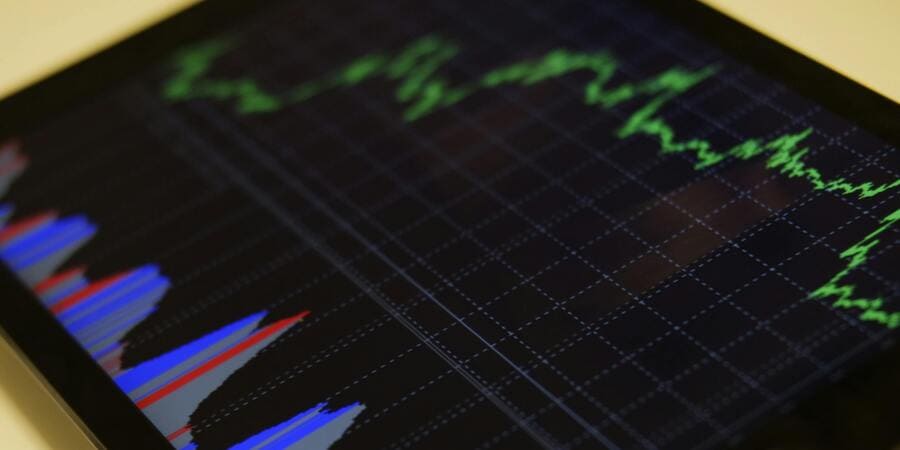
Over in the land where everything’s bigger—including market swings—Wall Street experienced a brutal week of volatility, leaving investors on edge. The Nasdaq Composite took a severe hit, plunging 4% in a single day, marking its worst performance since the tech correction of 2022. Meanwhile, the Dow Jones Industrial Average followed suit, tumbling nearly 900 points before staging a slight recovery. The S&P 500 wasn’t spared either, shedding 2.5% as cautious investors pulled back from riskier assets.
The sudden downturn came after a wave of disappointing economic data raised concerns about the strength of the U.S. economy. Retail sales figures came in weaker than expected, while new jobless claims rose for the third consecutive week, fueling speculation that the long-anticipated recession might be closer than previously thought. Investors had been riding high on optimism earlier in the year, but now, it seems reality is setting in—and it’s looking a lot less rosy.

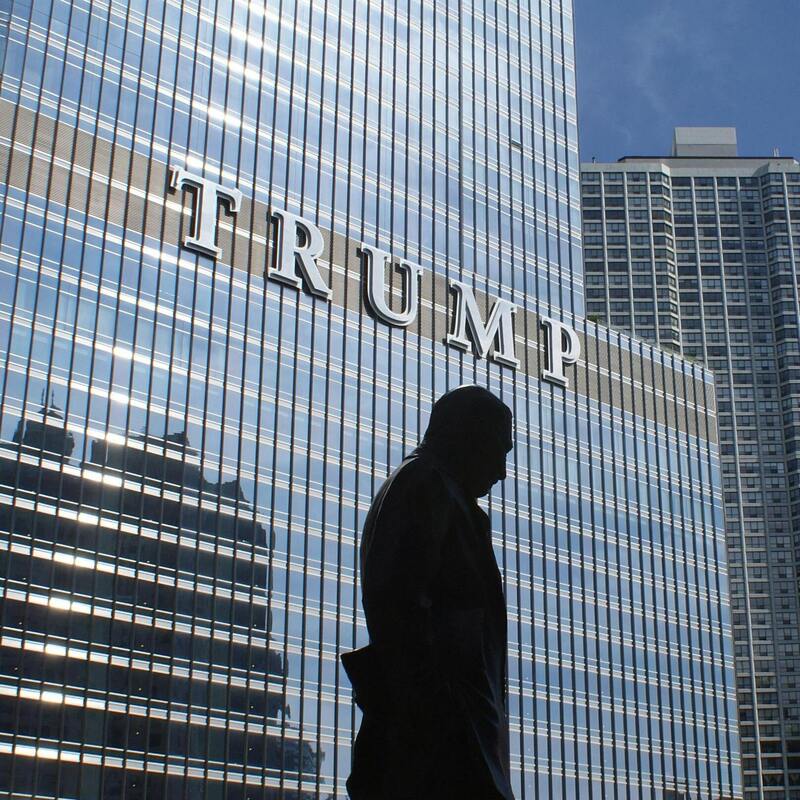
As if Wall Street wasn’t stressed enough, President Donald Trump decided to add his two cents over the weekend—sending investors into a deeper spiral. During a televised interview, he refused to rule out the possibility of a U.S. recession, stating that the economy was entering a “period of transition” due to significant policy shifts, including new trade tariffs and potential tax cuts.
Markets don’t like uncertainty, and hearing the president openly acknowledge economic turbulence ahead did little to soothe already nervous traders. Within hours of his remarks, U.S. Treasury yields spiked, reflecting heightened concerns over future interest rate movements and borrowing costs. Adding to the drama, Federal Reserve Chair Jerome Powell issued a statement urging patience, reminding markets that monetary policy decisions will remain data-dependent. Translation? If inflation refuses to budge, or economic conditions deteriorate further, the Fed might be forced to adjust interest rates sooner than expected.
With market volatility ramping up and economic uncertainty looming, analysts are now revising their expectations for 2025. Goldman Sachs has adjusted its U.S. GDP growth forecast downward, citing sluggish consumer demand and increased corporate caution. Meanwhile, hedge funds have started shifting towards defensive sectors such as healthcare, utilities, and consumer staples, seeking protection against potential downturns.
For everyday investors, the advice remains consistent: diversify, focus on long-term strategies, and avoid panic selling. Market dips can be nerve-wracking, but history has shown that knee-jerk reactions often lead to missed opportunities for recovery. Some contrarian investors, however, see the current dip as a buying opportunity, arguing that fear-driven sell-offs often create chances to grab quality stocks at discounted prices. Others warn that the worst may not be over, and a further market correction could be on the horizon if upcoming economic reports paint an even grimmer picture.