Global South Gains Investor Attention as Capital Flows Shift Away From the West
- Market News

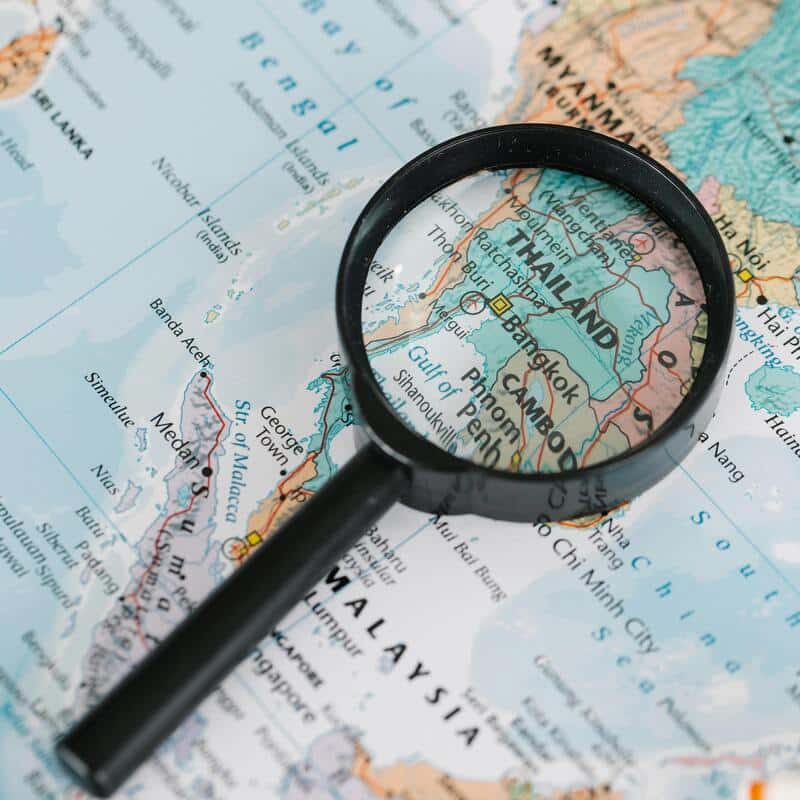
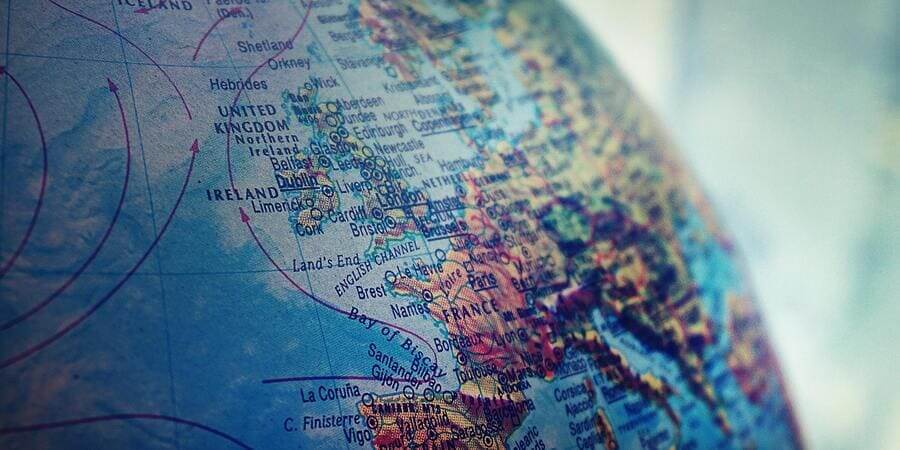
As Western markets grow sluggish and overbought, investor attention is shifting toward what’s often vaguely referred to as the “Global South.” But what is it, exactly? The Global South refers to a broad grouping of 130+ countries, mostly developing or emerging markets in Latin America, Africa, South and Southeast Asia, and parts of the Middle East. Key members include India, Brazil, Mexico, Indonesia, South Africa, Egypt, Turkey, Nigeria, and Vietnam — economies with large populations, expanding middle classes, and untapped capital markets. Crucially, it does not include countries like the United States, Canada, Australia, Japan, South Korea, or those in Europe, as these are considered developed, high-income, or already deeply embedded in global finance. Interestingly, even China and Russia are excluded — despite being in the Eastern Hemisphere — due to their outsized geopolitical roles and classification as separate powers in global strategy circles.
This isn’t about literal geography; it’s more about economic maturity, institutional power, and global voice. The term has its roots in post-colonial political language but has evolved into a shorthand for a bloc of nations that are often underrepresented in global decision-making — and, until now, underweighted in global portfolios. These are economies that are rich in resources, young in demographics, and increasingly ambitious in trade and infrastructure development. While they may lack the financial polish of Wall Street or Frankfurt, they offer scale, growth potential, and the kind of frontier risk-return profile that asset managers are starting to crave. And with global capital looking for new opportunities as the West contends with rate fatigue, inflation cycles, and political paralysis, the timing couldn’t be better.
Collectively, the Global South accounts for two-thirds of the world’s working-age population, generates around 40% of the world’s energy and transition metal output, and contributes to 25% of global trade and foreign direct investment. It’s not a niche. It’s a bloc with real weight — just waiting for financial markets to take it seriously. As fund managers search for the next decade’s outperformers, these countries are making a strong case that “emerging” may soon become “leading.” Especially now, when even modest inflows can have outsized impact on local markets and regional policy development.
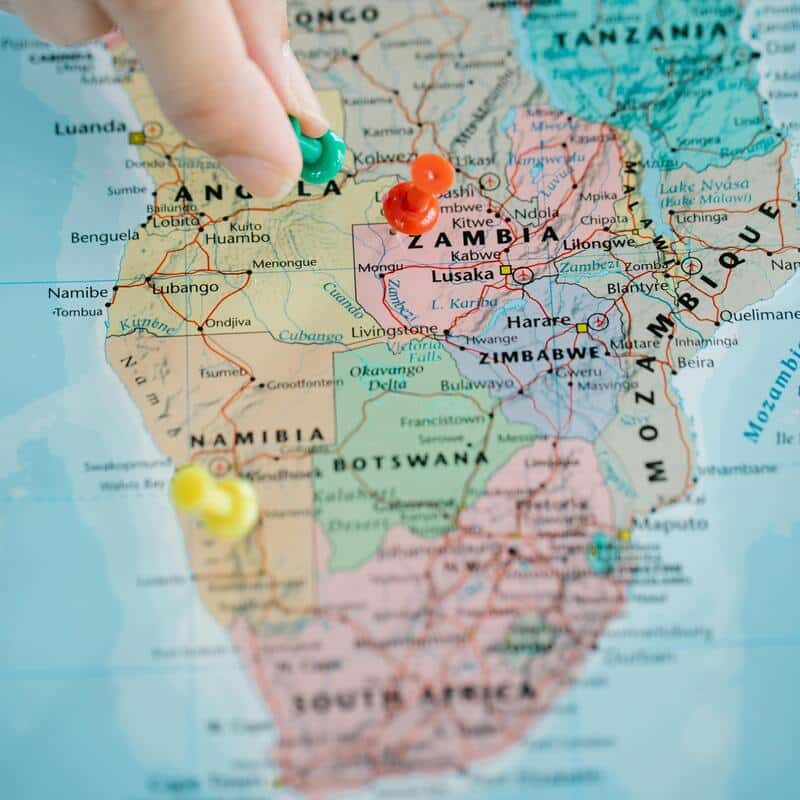
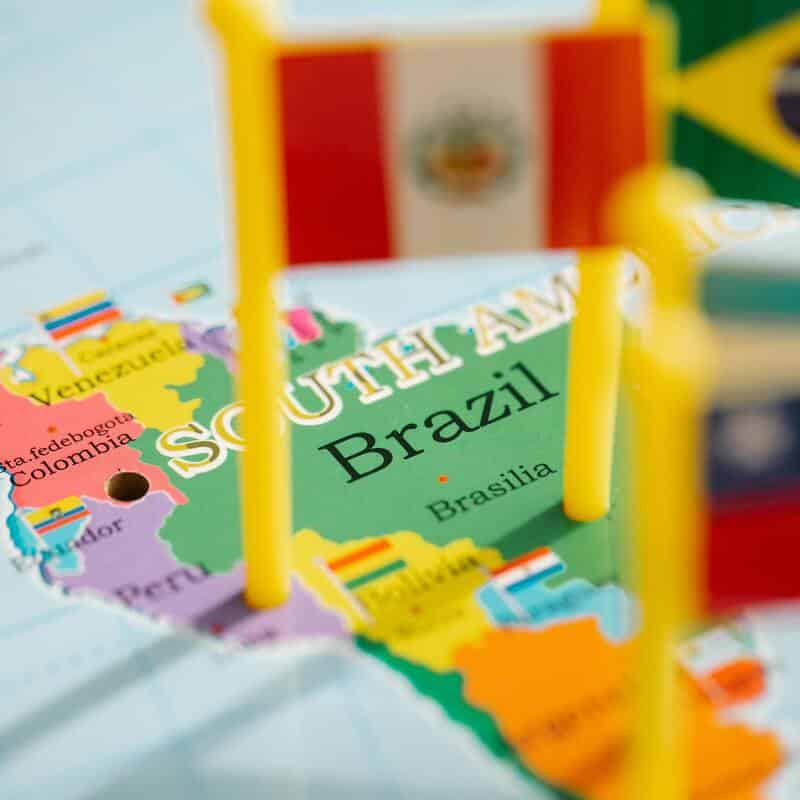
Institutional investors are growing increasingly wary of the usual suspects. The U.S. market, long the darling of global allocations, is showing signs of fatigue after a decade of tech-driven overperformance, political volatility, and policy whiplash. Europe, meanwhile, remains stuck in slow-growth purgatory, with inflationary pressures and structural stagnation weighing on sentiment. As a result, global funds are now actively reconsidering where their money can generate actual alpha — not just tracking index beta. And the Global South is rising as a destination of choice, not because it’s perfect, but because it offers what the developed world currently doesn’t: scale, room to grow, and less crowding.
In 2023, the Global South pulled in $525 billion in foreign direct investment, overtaking developed markets for the first time ever. That’s not just a capital rotation — that’s a re-rating of an entire segment of the global economy. And it’s not limited to one country either. India’s booming digital economy, Indonesia’s EV supply chain bets, Brazil’s commodity strength, and Mexico’s nearshoring advantage are just a few examples of how these nations are turning their challenges into competitive edges. Add in Africa’s growing fintech scene and the Middle East’s sovereign-backed innovation ecosystems, and suddenly, the Global South doesn’t look like the wild frontier — it looks like the new middle ground.
Yes, the risks are real — currency instability, weaker institutions, unpredictable regulation. But the reward profiles are changing fast. The days of viewing these regions as purely speculative are fading. With stronger governance frameworks, regional development banks, and global multilateral support, many of these markets are building the muscle to support larger capital flows. And in an investment world where risk is everywhere (including Washington), emerging markets may actually start to feel relatively sane.
The current pivot toward the Global South could be temporary — or it could be the start of a long-overdue rebalancing of global capital flows. For years, financial influence has been concentrated in a handful of countries and stock exchanges. But with the rise of regional trade blocs, alternative payment systems, and digital-native economies, the foundations of that old order are looking shakier than ever. While no one’s suggesting the Global South will dethrone the G7 overnight, it doesn’t need to. It just needs to command enough capital and credibility to shape the global narrative — and right now, it’s beginning to do exactly that.
The question is whether asset managers will take the leap from trend-following to strategy-setting. Will they treat this as a tactical exposure, or start to build portfolios that genuinely reflect the economic weight of the Global South? For those willing to lean in, the opportunities lie in sectors like infrastructure, clean energy, fintech, agritech, and digital health — industries where emerging markets aren’t just catching up, they’re leapfrogging. Countries like Vietnam, Kenya, and Colombia may not dominate the headlines, but they’re quietly engineering the next wave of scalable, investable innovation.
It won’t be smooth — this is not a straight line story. Expect currency hiccups, election drama, and the occasional policy U-turn. But that volatility, for seasoned investors, is also where the upside lives. With only 11% of the global equity market cap, the Global South remains underrepresented relative to its growing contribution to GDP, trade, and innovation. That mismatch won’t last forever. The West may still dominate the index — but the South is starting to build the future.