FTSE 100 Flirts With a Record, Then Comes Back to Economic Reality
- Market News

The FTSE 100 made a bold run toward its March all-time high of 8,908.82, topping out at 8,800 by midweek and making investors feel something they hadn’t in a while — hope. Fueling the climb were strong earnings reports from heavyweights like Shell and Diageo, who proved that oil and alcohol remain Britain’s most resilient assets. Shell rode the wave of stubbornly high energy prices, while Diageo thrived on our national talent for justifying £30 gin. Investor sentiment soared alongside share prices, helped along by whispers of future interest rate cuts. Global optimism gave traders a reason to take risks again — or at least to pretend they weren’t nervous. It was short-lived confidence, but confidence nonetheless.
Momentum spread across sectors like free samples at a food fair. Analysts started revising price targets with alarming enthusiasm, and the word “bullish” returned to investor vocabularies after a long winter break. Even retail investors reappeared on social media, bragging about their portfolios for the first time since last summer. Energy and financials led the charge, while tech and consumer staples tagged along like they didn’t want to miss out. The rally felt real — at least more real than the last time it fizzled after two days and a tweet from the Bank of England. This time, people genuinely started to believe the FTSE had staying power.
Of course, the market is nothing if not dramatic. Just as the champagne started chilling, the optimism ran head-first into an inconvenient truth: economic fundamentals still exist. The rally lost steam faster than a flat white on a windowsill. Traders realized that, while earnings were hot, the economy was lukewarm at best. And that’s when everything got wobbly — again.

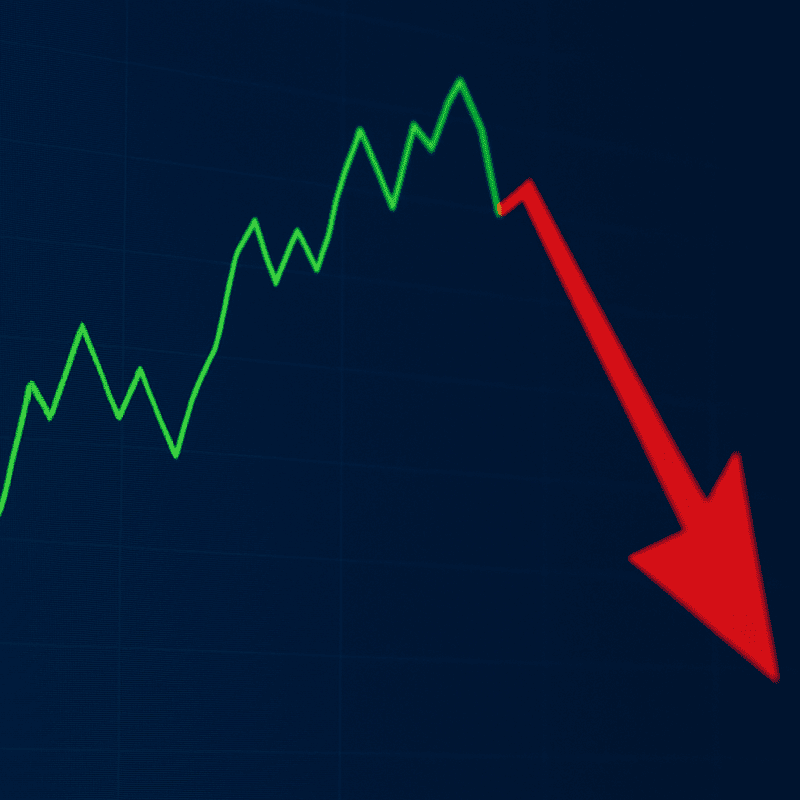
By Friday, reality had done what it always does: brought the FTSE back down to earth, dropping 1.4% and taking investor enthusiasm with it. The catalyst? A batch of economic data that could best be described as “meh,” with UK retail sales flatlining and consumer confidence refusing to get out of bed. Unemployment ticked up slightly, household debt rose, and suddenly the narrative shifted from “bullish breakout” to “maybe we spoke too soon.” Layer in a thoroughly uninspiring statement from the Bank of England, and the mood turned faster than a group chat when someone mentions NFTs. Investors looking for a clear path forward got vague language about “monitoring inflation trends” and “policy flexibility.” Translation: “Don’t look at us.”
Retail stocks bore the brunt of the disappointment. Names like Tesco, Next, and Sainsbury’s all fell, as analysts flagged concerns about waning consumer demand heading into Q2. Bank stocks, which had enjoyed a brief honeymoon, also slipped as rate-cut expectations cooled. The idea that the BoE might wait longer than hoped to reduce rates suddenly felt very real — and not in a good way. The combination of economic softness and monetary vagueness was enough to kill the midweek buzz. It was a reminder that the FTSE loves nothing more than teasing record highs, only to chicken out at the last second.
Friday’s market felt like the financial equivalent of leaving your umbrella at home and watching it pour 10 minutes later. Investors weren’t panicking, but they weren’t celebrating either. The mood settled somewhere between annoyed and cautiously skeptical. Some called it a “healthy correction,” others called it “same old FTSE.” Either way, the week closed not with a bang, but a very British sigh. And the champagne went back in the fridge — again.
Despite the drop, the FTSE 100 is still up over 5% year-to-date, proving that the market hasn’t totally lost its nerve. Energy and consumer staples continue to anchor the index, giving it just enough ballast to stay afloat even when sentiment wavers. Investors are far from euphoric, but they’re also not retreating into cash caves just yet. The view now is one of cautious optimism — the kind that comes with reading disclaimers twice and checking exit routes. If earnings remain strong and inflation cools without a tantrum, we might get another shot at that elusive 9,000 mark. But it won’t be a straight line — more like a scenic route full of potholes and questionable turns.
Strategists are calling it a “moment of pause,” which sounds polite but essentially means, “No one has a clue what’s next.” The FTSE has enough momentum to stay interesting, but not enough clarity to go full beast mode. Volatility remains in check, but sentiment is fragile, and everyone’s got one hand on the sell button — just in case the next headline is a stinker. The Bank of England holds a lot of the cards, and right now, it’s not showing anyone its hand. Classic central banking suspense.
So here we are: not in crisis, not in euphoria — just somewhere weird in between. The FTSE 100 keeps dancing just below its all-time high like it’s afraid of commitment. Investors are still engaged, but nobody’s writing poetry about it. As always, the market is moving with a mix of strategy, speculation, and a small dose of blind faith. It’s not a bull market. It’s not a bear market. It’s a squirrel on a caffeine high trying to juggle — and honestly, we respect the hustle.