Apple’s Services Surge While iPhone Sales Inch Up — Wall Street Still Shrugs
- Market News

Apple reported Q2 2025 revenue of $95.4 billion, a 5% year-on-year increase, with earnings per share up 8%. At the centre of the performance was Apple’s Services segment, which brought in $26.65 billion, up 12% from a year ago. With recurring revenue flowing from App Store sales, iCloud subscriptions, AppleCare, and your monthly reminder that you pay to store screenshots, the company has made Services the backbone of its financial stability.
It wasn’t just Services keeping the lights on. iPhone revenue came in at $46.84 billion, a modest 1.9% increase, showing that the iPhone 17 — while no cultural revolution — is still selling steadily. Growth came from emerging markets, especially India, where Apple has been ramping up production and distribution. But softness in China dragged on the segment, a concern analysts were quick to underline during the earnings call.
The slight iPhone growth wasn’t enough to generate much excitement on Wall Street. Despite the solid top-line performance, Apple shares fell nearly 4% in after-hours trading, as investors digested rising operational costs and a warning about possible $900 million in tariff-related expenses. With margins under pressure and some geographic headwinds, the quarter may have been good — but it wasn’t good enough for a company priced for perfection.
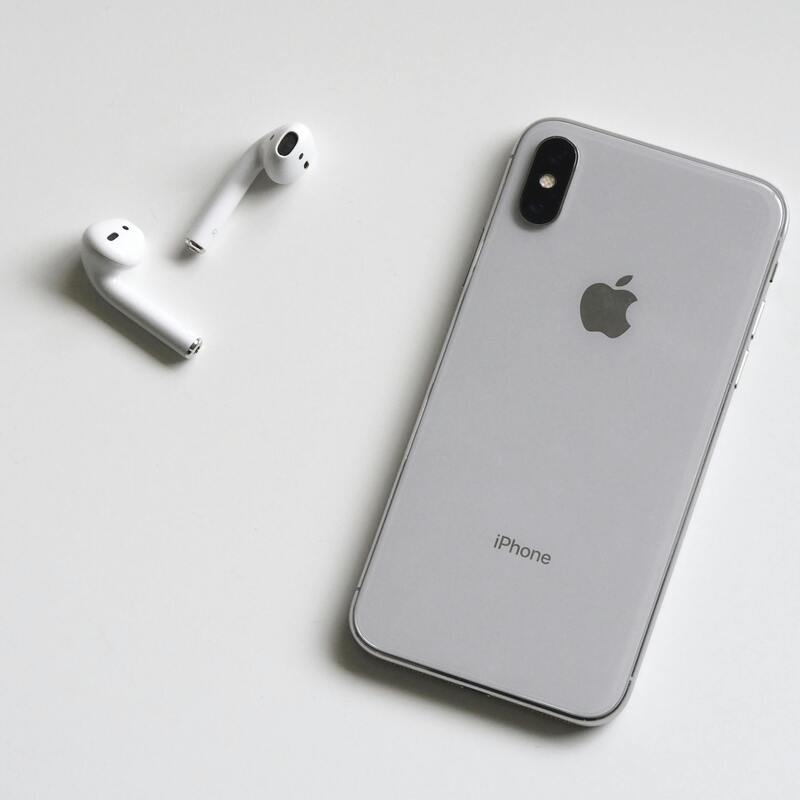

While iPhones still represent Apple’s largest single product category, the days of iPhone-driven earnings beats may be fading. The company has quietly shifted investor focus toward its ecosystem: not just the devices you buy once, but the subscriptions you pay for forever. That strategy is working. Services now account for more than 25% of total revenue, and it’s high-margin, recurring, and wonderfully predictable — the dream combo for any CFO.
Apple has spent years reinforcing this shift. Between bundling services (Apple One), expanding into financial products (Apple Pay Later), and even producing Emmy-winning content, the company has managed to turn hardware buyers into monthly subscribers — and it’s doing so without dramatic pricing hikes. Growth in Services also reflects Apple’s ability to monetise its massive installed base. Once you’re in the ecosystem, it turns out you’re rarely getting out — at least not without losing your notes, photos, passwords, and perhaps your will to live.
What’s missing is a new narrative for hardware innovation. Vision Pro still sits in early-adopter limbo, and other hardware — from iPads to Macs — showed little excitement this quarter. Investors are looking for the “next iPhone” moment, but it’s increasingly clear that Apple’s future is less about revolutionary devices and more about keeping you comfortably locked into a premium digital lifestyle. Growth is still there — it’s just less flashy and more subscription-based.
CEO Tim Cook struck a familiar tone on the earnings call: confident in long-term growth, particularly in India and AI. India is a rising star in Apple’s strategy, both as a market and a manufacturing hub. But questions remain about China — where sales are slowing — and about how Apple plans to stay competitive amid growing regulatory and geopolitical risk. Investors are watching how quickly Apple can diversify both supply chains and revenue sources.
AI is the new buzzword, and Apple leaned into it — albeit without specifics. Cook referenced on-device AI features, improved privacy through local processing, and upcoming “breakthroughs” in user experience. But with Google and Microsoft racing ahead on flashy AI integrations, Apple’s more cautious, hardware-centric approach risks looking underwhelming. The company will need to show — not just talk about — how AI enhances its product suite in a way that keeps customers (and their monthly payments) firmly on board.
Still, Apple isn’t in trouble. It remains one of the most profitable, cash-rich companies on the planet. But as revenue growth slows and margins tighten, it’s clear that Apple is entering a new chapter: one of managing expectations, not defying them. For now, solid Services growth will do the heavy lifting. But for Apple to stay a market darling, it might need more than steady — it’ll need a spark.