Global Markets Wobble as Trump’s Tariff Tango Continues
- Market News

Just when global markets thought they had seen it all, President Donald Trump reignited trade tensions by announcing a 25% tariff on all goods imported from the European Union. According to Trump, the EU has been “cheating the U.S. for decades,” and this latest move is meant to level the playing field. Naturally, this sent European leaders into a frenzy, with French President Emmanuel Macron calling the tariffs ‘unacceptable’ and German Chancellor Olaf Scholz warning of potential retaliation. Investors, meanwhile, braced for impact, with some fearing that this could escalate into a full-blown trade war.
If this sounds familiar, it’s because it is—Trump has a history of slapping tariffs on trading partners, only to later negotiate a new deal. But markets aren’t taking any chances this time. With global supply chains still fragile from pandemic disruptions and ongoing geopolitical tensions, the uncertainty alone is enough to rattle investors worldwide.

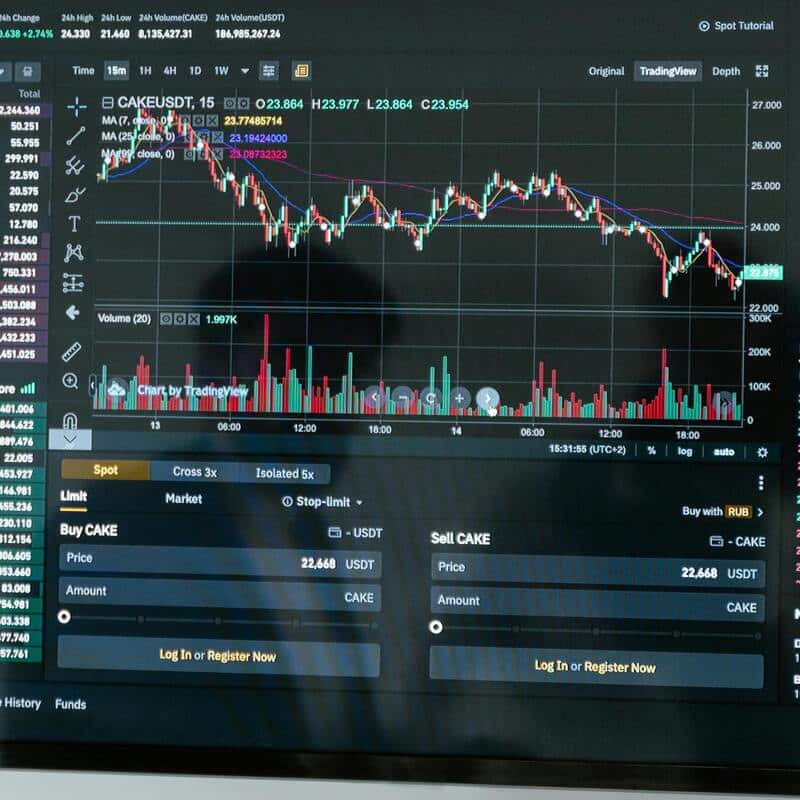
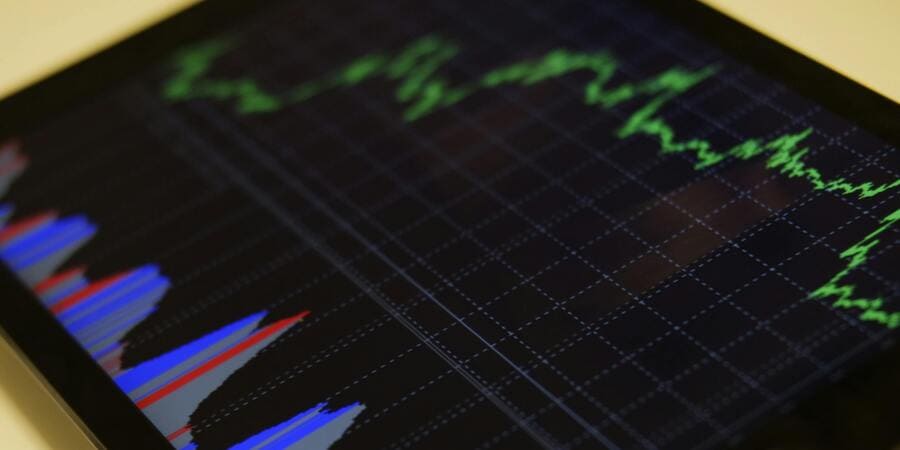
Stock markets around the world reacted swiftly and negatively. The STOXX Europe 600 index fell 0.8%, with sharp losses in the automotive and technology sectors—both of which rely heavily on U.S.-EU trade. Over in the U.S., the S&P 500 and Nasdaq Composite opened lower, while the Dow Jones Industrial Average dipped 300 points before stabilizing later in the session.
Currency markets also took a hit, with the euro losing ground against the U.S. dollar, reflecting investor concerns that the EU economy could take a major blow. Meanwhile, bond yields declined as traders moved towards safer assets, signaling a rise in risk aversion. In short, the markets weren’t thrilled about Trump’s latest move.
The real concern here isn’t just about tariffs—it’s about what happens next. Analysts at Goldman Sachs warn that this could slow global GDP growth by 0.3%–0.5%, especially if the EU retaliates with its own tariffs on U.S. exports. If that happens, we could see further market turbulence, increased costs for businesses, and, ultimately, higher prices for consumers.
Beyond the immediate impact, this move could reshape global trade relationships. The EU has already hinted at strengthening economic ties with China and other Asian economies to offset potential losses. Meanwhile, American companies relying on European imports—think auto manufacturers and tech firms—could see profit margins squeezed.
So, what’s next? If history tells us anything, Trump might be using these tariffs as a bargaining chip for future negotiations. But until a deal is struck (if it ever is), investors should prepare for a rocky ride.